August 19, 2026
By Timann EsterhuizenAt Munchkins Parenting we work on the foundation that children need ascale balanced: on the one side they need clear, consistent, predictableboundaries (yes ALWAYS means yes, and no ALWAYS means no); and on the otherside (and equally as important), children need to have their “love-tanks”filled to the brim at all times (speak with kindness and respect, have specialalone time with each child separately frequently, no shouting etc). If thescale is tipped one way or the other, there are guaranteed behaviouralflair-ups.
The old-school way of parenting tipped the scale so that it was allrules and regulations with a serious lack of relationship. This led to childrenthat obeyed as robots when young but eventually the lack of connection wouldcause an explosion of rebellion (or implode into self-loathing).
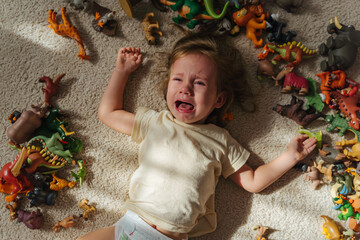
Unfortunately the current generation of parents now have the tendency totip the scale the opposite way around – indulging, making excuses for negativebehaviours, blaming horrific behaviours on “at least he’s expressing hisfeelings”, hugging children through tantrums (which just reinforces that when Iwant mom to stop giving my sister attention/cooking/doing anything other thanmaking me the centre of her world, I just need to throw a fit and she’ll giveme one on one attention for as long as I keep crying), or “time-in” (which doesthe same).
So how do we know when to support our children through their “bigfeelings” vs when to apply a consequence for them. Well firstly, prevention is always better thancure. So have a moment of genuine introspection and figure out if you’ve gotthis scale intact. If not, contact a MunchkinsParenting coach and we’ll give you all the practical tools you need tohelp your unique family thrive.
Secondly, we need to decide on non-negotiablechallenging behaviours (behaviours that require consequences) versus allowed challenging behaviours (whichmay need support, guidance, learning about feelings, help with regulation etc).
Allowed behaviours
· Physical pain (they got hurt)
· Emotional pain (eg. someone hurt their feelings)
· Normal age-appropriate exploration (eg. Walking on the couches, pouring sand onto your pavement)
· Sensory overload, aka “meltdown”
· Accidents (eg. Spilling their water)
Non-negotiables:
· Tantrums because they didn’t get their way
· Hurting a person or animal on purpose
· Refusing to obey an instruction
· Demanding and controlling behaviour
· Negative attention-seeking behaviour
· Deliberate destruction of property
Itis absolutely vital that consequences are never given in anger or frustration!They should only ever be implemented with a heart of empathy.
Once the consequence is complete, you can talk about what happened anddiscuss options of how to make things go much better next time. For example, insteadof pushing your little brother and screaming “get out!” when mom is reading youa book - which resulted in a calmly implemented consequence – next time perhapsyou could rather say “Mom, I’m really enjoying some alone time with you. Pleasecould you get my brother to go play somewhere else”. Or perhaps you have apreschooler with a fiery temperament and you’ve created a calming box for her(see video here). When you can see she’s onthe verge of blowing steam out her ears, recommend that now is a good time tomake use of her calming box. If she chooses to take her bad mood out on othersinstead, she receives a consequence. Once all is calm again, you discuss howshe was feeling and what she thinks she can do next time she feels like shemight take her anger/frustration/disappointment/jealousy out on someone elseagain. Having a visual cue to talk about emotions (like our emotion chart) is really helpful.
When anon-negotiable behaviour happens and a consequence is necessary, check back onyour boundary/love-tank scale and see where you may need to do a bit more workto get that scale balanced again.